How many new technologies did your business adopt last year? Too many? Too few? You’ve officially made it through 2017 and there’s no better time than now to review which IT fads were worth investing in, and which ones should be left in the past.
Big gains for small-business IT in 2017

Who are the ShadowBrokers?
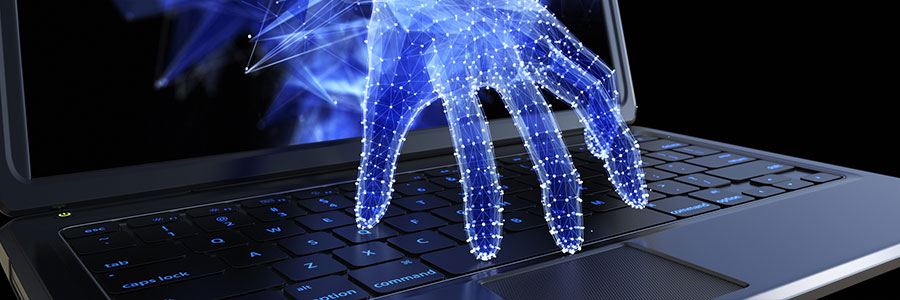
The WannaCry ransomware strain was created by amateurs who copied and pasted security vulnerabilities from a famous hacker group. It’s no longer a threat if you have updated your computer, but as evidenced by a recent announcement, the hacker group will continue to release dangerous security exploits for anyone to use.
Ransomware is coming to your Android
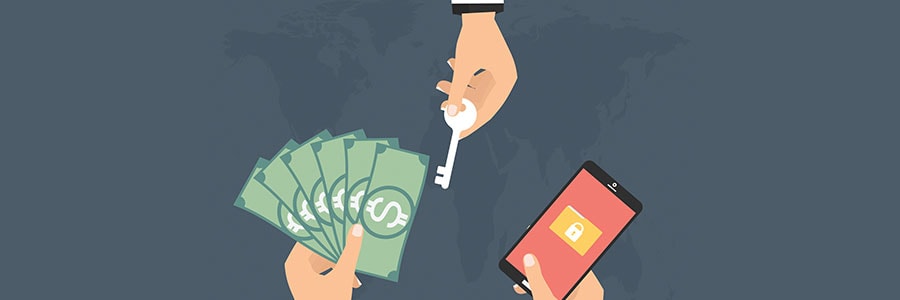
Traditional ransomware like WannaCry has been explained a thousand ways on a thousand blogs. But one thing you may not have thought about is what ransomware would be like if it infected your mobile device. Read on to learn more.
How does ransomware make it onto your Android device?
Like its desktop equivalent, mobile ransomware needs to be installed on your device before it can do damage.
Watch out! More ransomware attacks incoming
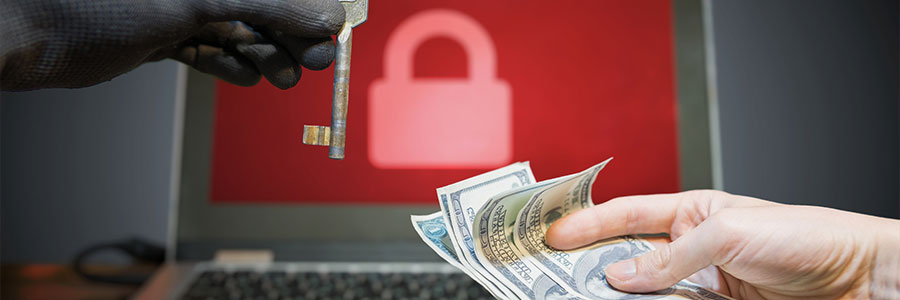
Ever since the WannaCry and Petya ransomware outbreaks, healthcare organizations have been on their toes. But just when they thought they could relax, a new strain of ransomware has come along. A “Locky-variant” ransomware campaign is currently underway, and it’s every bit as dangerous as previous ransomware attacks.
New Locky ransomware: what you need to know

In 2016, the Locky ransomware infected millions of users with a Microsoft Word file. It was eventually contained, and cyber security firms have since created protections to detect and block previous Locky variants. However, a similar malware is currently spreading worldwide and has so far infected tens of thousands of computers.
How will blockchain affect healthcare?

New IT trends are usually equal parts exciting and confusing. Today, that generalization describes blockchain technology perfectly. It’s a complex concept that has the potential to totally revolutionize every industry -- including healthcare. Even if you have no plan to invest in blockchain soon, you need to understand what it is.
What you need to know about malware

You’ve all heard of viruses, spyware, ransomware and trojans. But did you know that they’re all types of malware? They’re all designed to ruin your digital life, but different types of malware put your computer at risk in different ways. Understanding what sets them apart can keep your business guarded.
How Windows 10 plans to defeat ransomware

The recent WannaCry and Petya ransomware attacks have caused massive disruptions for Windows users. Although ransomware infection has slowed down in the past few weeks, many experts are saying that this is only just the beginning. Soon, newer and far more dangerous strains of malware will be developed.
Why Nyetya is more threatening than WannaCry
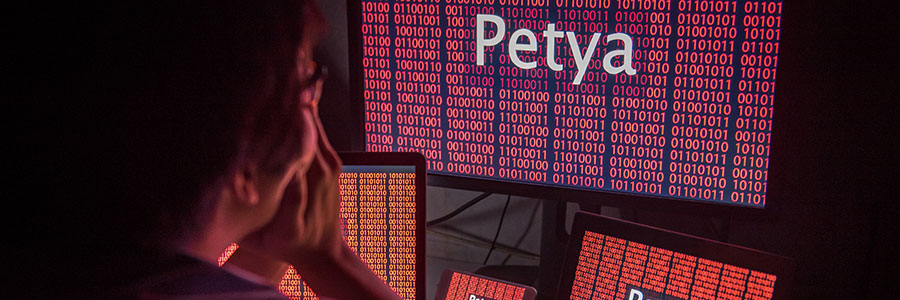
The WannaCry ransomware, which infected 200,000 business globally and made over $100,000 in ransom payments, is said to be one of the worst cyber attacks in history. However, a new ransomware strain named Nyetya is shaping up to be a more formidable security threat.
Why is Windows XP getting updates?

Microsoft products usually have an end-of-support date, where no more feature updates and security patches will be offered. However, earlier this month, Microsoft has released a security update for Windows XP, an operating system that has been unsupported since 2014. Although releasing a patch for an old system seems unusual, Microsoft does have its reasons.