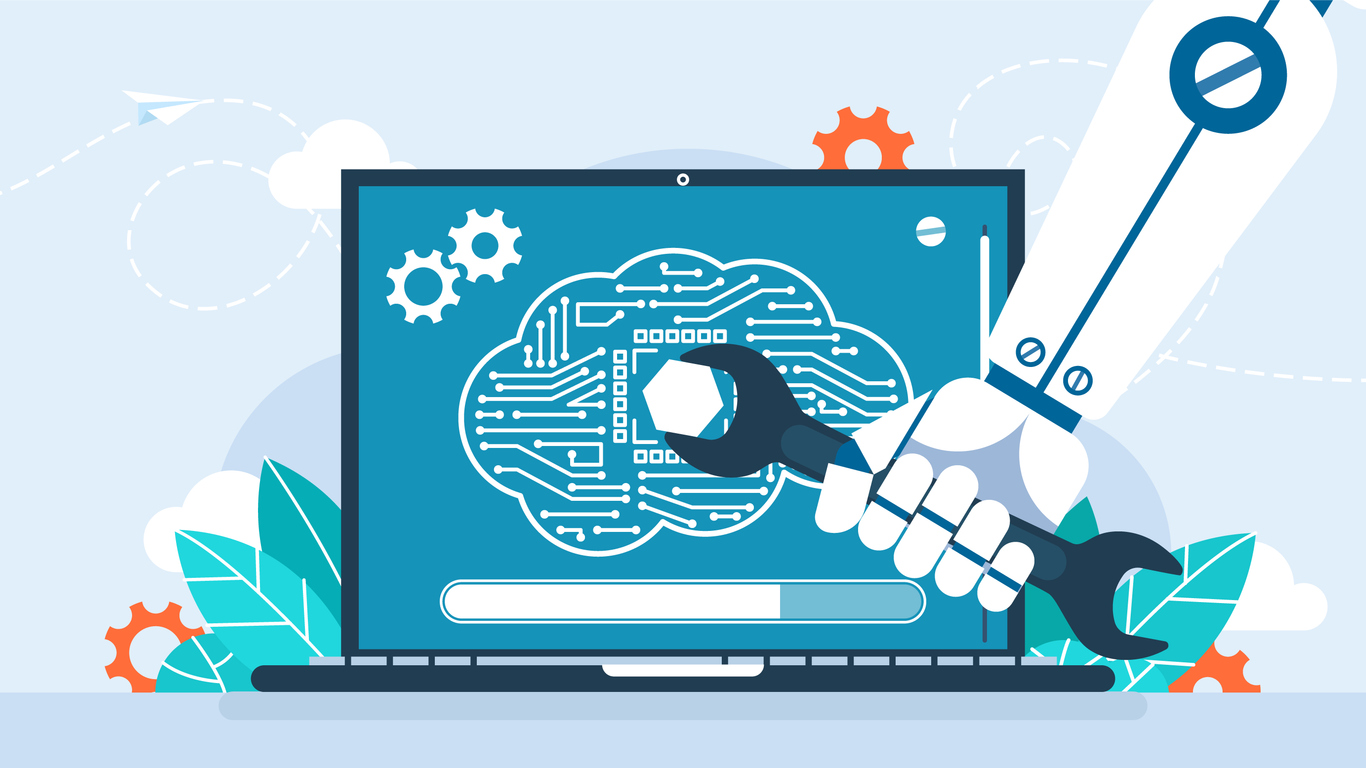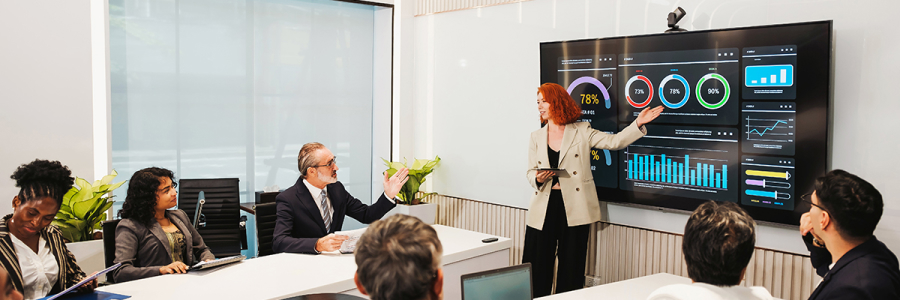

Many organizations invest in threat intelligence platforms designed to collect and analyze threat data. But broad data, shallow integration, and disconnected workflows often prevent that intelligence from ever translating into action.
Customer data is the engine behind better products, sharper marketing, and stronger business decisions. But how a business collects and protects that data has become as important as the data itself. Privacy regulations are tightening, customers are paying closer attention, and the consequences of getting it wrong have never been more significant.
Moving from a Windows PC to a Mac involves more than getting used to a new operating system. It also means bringing your files, applications, contacts, and account settings along with you. To make that process as seamless as possible, Apple created Windows Migration Assistant, a purpose-built tool that handles the heavy lifting, so you don’t have to move files one by one or rebuild your settings from scratch.
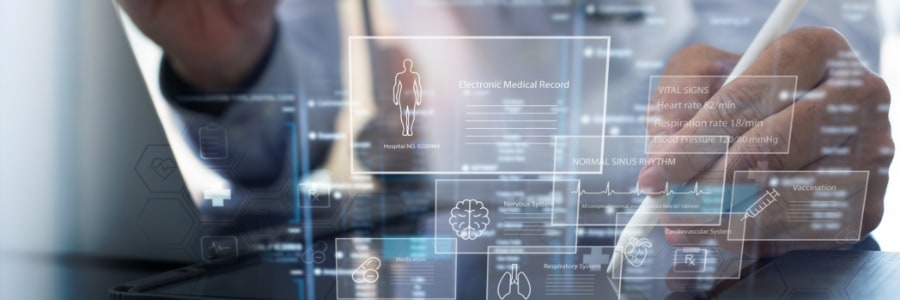
Health technology is entering a more practical phase. From virtual care and administrative AI to interoperability and data analytics, the focus is shifting from experimentation to full deployment. Here are the top trends reshaping the healthcare landscape in 2026.
Virtual care moves into routine care delivery
Virtual care involves the use of technology to provide healthcare services remotely.
Most cybersecurity tools are built around a simple assumption: malicious software leaves files behind. Fileless malware is designed specifically to defeat that assumption. Rather than dropping a suspicious executable onto a hard drive, it operates entirely in memory, using your system’s own trusted tools against you, and leaving little to nothing for a traditional antivirus scanner to find.