Organizations spend tens to hundreds of thousands fortifying their perimeters, but the biggest threats often originate from within. This article explores how saved passwords and autonomous AI agents can create hidden pathways for cybercriminals, bypassing traditional defenses and highlighting the need for a unified approach to mapping user access.
Online privacy threats are increasing, making virtual private networks (VPN) more important than ever for businesses and individual users alike. But the sheer number of VPN providers can make choosing the right one overwhelming. Before investing in a VPN service, make sure to follow these steps.
Passwords are an inherently flawed security measure in an era of constant phishing attacks and massive data leaks. This guide breaks down the latest recommendations from the National Institute of Standards and Technology (NIST) and shows how to improve security with longer passwords, smarter tools, and modern authentication methods.
While the term “hacker” often dominates cybersecurity conversations, it’s crucial to recognize that not all hackers share the same motivations. Some exploit vulnerabilities, others help organizations fix them, and some fall somewhere in between.
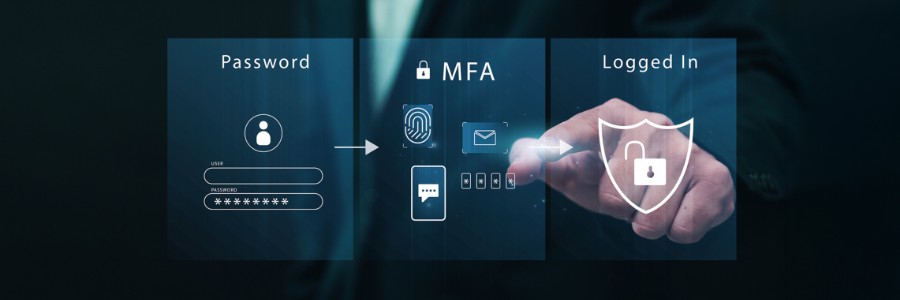
Multifactor authentication (MFA) works by requiring users to provide more than one form of identification when logging into a system or account. This extra layer of security is meant to prevent unauthorized access and protect sensitive information.
Cybersecurity experts Rob Wright (Dark Reading), David Jones (Cybersecurity Dive), and Alissa Irei (TechTarget Search Security) recently came together to discuss the future of online security. Let’s take a look at their insights on major trends and new risks to help businesses better navigate the challenges on the horizon.
Strong passwords are one of the easiest and most effective ways to protect online accounts. Still, many businesses use weak or reuse credentials. Learning how to create stronger passwords can significantly lower your business’s risk without adding unnecessary complexity to your security practices.
We give our IT teams the keys to the kingdom to keep operations running. Yet, that access creates a massive blind spot. Recent trends show disgruntled tech workers bypassing the very security measures they helped build. Trust is necessary for business, but blind faith in your technical staff leaves your company wide open to attack.
With cyberthreats escalating and major breaches costing billions, many organizations are embracing the zero trust approach, a holistic methodology that assumes compromise and requires constant verification across all devices and applications. This guide lists the practical, actionable steps security leaders must take to move beyond initial pilots and effectively implement a comprehensive zero trust architecture that effectively counters modern threats.
The holiday season brings a surge of shoppers and increased sales, making it one of the most lucrative times of the year for retailers. At the same time, this spike in activity also draws the attention of hackers looking to exploit busy stores and distracted staff.