How to prevent hackers from using your office devices to send phishing emails

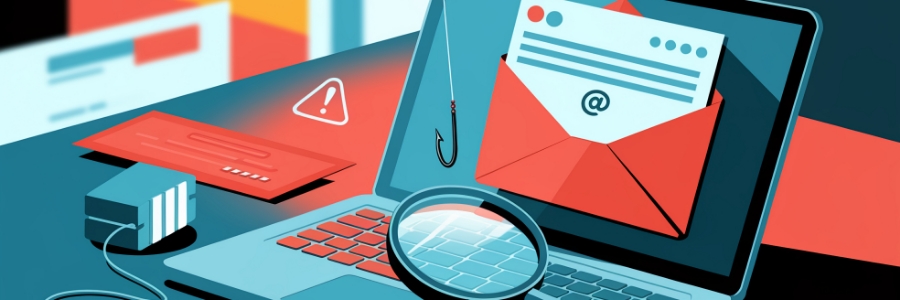
A new security flaw in Microsoft 365 enables hackers to exploit office devices and send fake emails that appear to be from within an organization. Let’s look at how this scam works and what you can do to keep your data protected.
How do hackers use office devices to send fake phishing emails? 
Microsoft 365’s Direct Send feature was originally designed to simplify internal email communication within organizations.

AI is great, but it creates a security blind spot

You're focused on leveraging the latest technology for growth and innovation, but there's a hidden risk that comes with it. The software, automated systems, and AI tools that power your business each have their own non-human identity (NHI). Managing these digital identities was a significant challenge even before the AI boom, but now, with intelligent agents capable of independent action, NHIs represent a critical threat that demands immediate attention.

The latest phishing attack looks like it’s from your own company

The biggest security threats aren't always the ones banging on the front door. A recently uncovered flaw shows that hackers can abuse a Microsoft 365 feature to send malicious emails that appear to originate from inside your company. Because they look like internal mail, they often bypass traditional security filters, making them particularly dangerous.

Passkeys explained: The key to safer, smarter online authentication

As the digital world becomes increasingly complex, finding ways to protect personal and business information is more important than ever. Traditional passwords have long been the go-to solution for securing online accounts, but they come with a variety of vulnerabilities.

Why small businesses are struggling with cybersecurity

Cybersecurity has become a priority for businesses of all sizes, not just big corporations. Small businesses, often overlooked in the cybersecurity conversation, are now prime targets for cybercriminals. This blog delves into the reasons why small businesses are struggling more with cybersecurity today.

A guide to effectively leveraging threat intelligence

Organizations that invest in threat intelligence platforms (TIPs) often struggle to use them effectively. TIPs are designed to collect, analyze, and share threat data, but they can become overwhelming or underutilized without the right approach. Our guide helps you choose a platform that aligns perfectly with your team’s skills and existing infrastructure, empowering you to respond to potential threats more efficiently and effectively.

Ransomware tops the threat list for US critical infrastructure

According to the FBI’s 2024 Internet Crime Report, ransomware poses a persistent and growing threat to US critical infrastructure, which includes sectors such as healthcare, communications, energy, and financial services. Experts warn that phishing and social engineering are key tactics fueling these attacks, underscoring the importance of proactive cybersecurity measures.

How emerging tech is rewriting the rules of data security

Data breaches are an unfortunate norm in today's digital world, and traditional encryption techniques are no longer enough to prevent them. In addition, as businesses become more data-driven and regulations tighten, the pressure is on to rethink how we secure sensitive information, not just during storage but also throughout its entire life cycle.