Working from home is becoming popular, primarily because of the flexibility this setup offers. However, one of the biggest concerns for remote workers is how to stay safe and secure while working online. We’ll discuss some cybersecurity tips that can help you stay protected while working from home.
Top security tips for remote workers
Picking the right VPN for your business
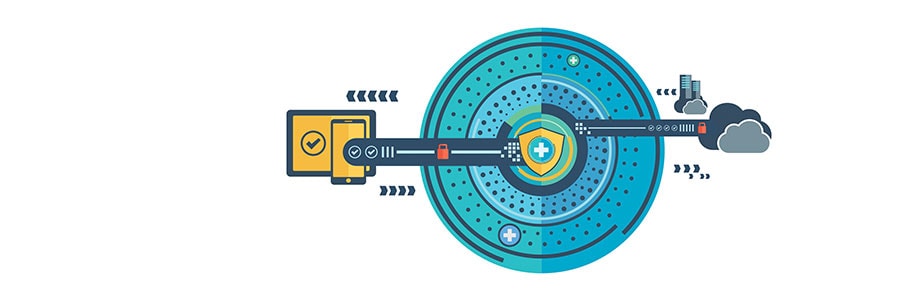
Virtual private networks (VPNs) keep your online activities secure and private, which is especially useful if you're using a public Wi-Fi network. But considering the variety of VPNs in the market today, it’s hard to find which one is the best for your business.
5 Key security measures you need for VoIP

As a more convenient and less expensive alternative to traditional phone services, Voice over Internet Protocol (VoIP) technology is now a business necessity. But as with any other piece of technology that can connect to the internet, VoIP can and will be exploited by cybercriminals.
How to protect your network from watering hole attacks
Cybercriminals are getting more creative in infecting computers with malware, and users must step up in order to protect their devices. To stay one step ahead of cybercriminals, you should learn more about their more insidious tricks such as watering hole attacks.
Ways to protect against VoIP threats
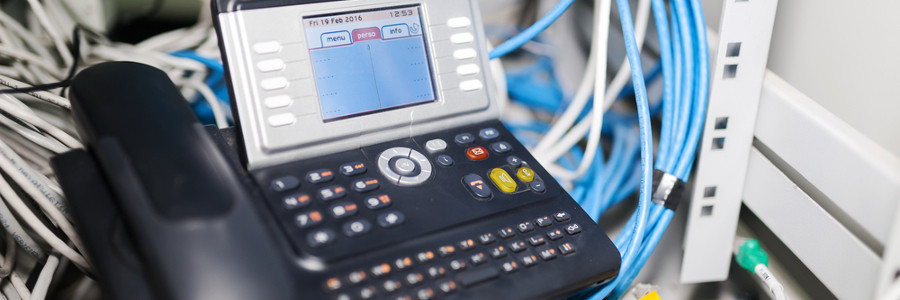
Every business today uses Voice over Internet Protocol (VoIP) technology to enhance team collaboration. But while the benefits of VoIP continue to ease the burdens of business communications, there are security risks associated with using it. Unsecure VoIP platforms may be harming your computer networks without you knowing it.
Why using a VPN is more important than ever before

In the past, a simple antivirus software was all you needed to stay safe from online threats. Today, it takes more than that to protect your PC and the information stored on it. Whether you’re sending an important email or chatting with a coworker online, chances are your data can be easily intercepted.
How to work from home securely

Encouraging staff to work from home is extremely vital in the midst of the COVID-19 outbreak. By minimizing social interactions and contact risks, you can reduce the spread of the virus. But be warned. Transitioning from a fully managed business environment to a home office can leave you vulnerable to cyberattacks and online scams.
A primer on watering hole attacks
Cyberattacks come in many different forms, with new methods being developed all the time. What’s bad is that personal information is now often stored online, be it through social media or through government and healthcare services — and these are juicy targets for criminals.
VPNs: Why you need them
Installing antivirus software and setting strong passwords are no longer considered the bare minimum in cybersecurity. With hackers, third parties, and ISPs constantly monitoring networks and your online habits, hopping onto a virtual private network (VPN) is crucial for keeping your surfing habits private.
How to prevent VoIP threats

Now that digital collaboration is an integral part of any business, VoIP has become indispensable. Unfortunately, as it becomes more widespread, so do the threats against it. These attacks may not be as serious as ransomware or phishing, but they’re just as dangerous to SMBs. Here are five ways to protect your VoIP network against these threats.