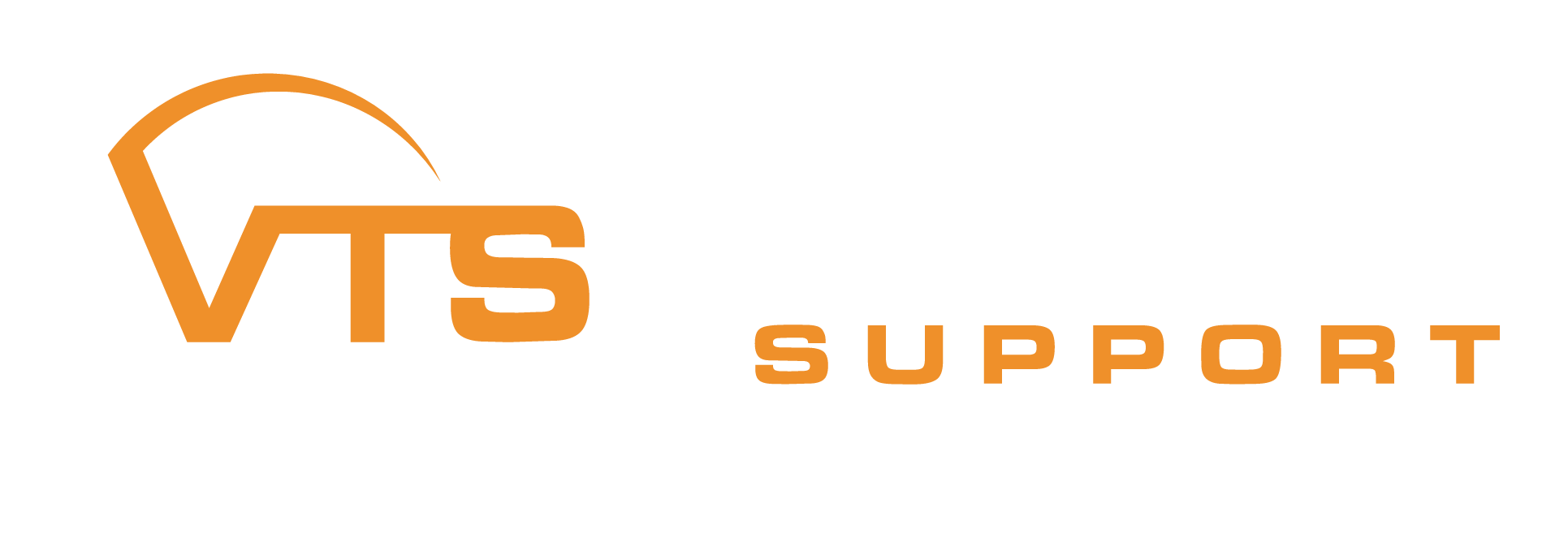
When it comes to security, it’s better to be safe than sorry. But as the Equifax leak case has taught us, once a security breach does happen, it’s best not to be sorry twice. Read on so your business doesn't experience the same fate as the giant, bumbling credit bureau.
What you can learn from Equifax’s leak
Beware of healthcare IoT security risks

The Internet of Things (IoT) has the potential to completely revolutionize the healthcare industry. Innovations like smart pacemakers and fitness trackers monitor patients’ vitals and unearth patterns that can lead to more accurate diagnoses. But like any new technology, it also brings a slew of security risks healthcare professionals need to address.
Major updates to Apple’s macOS High Sierra
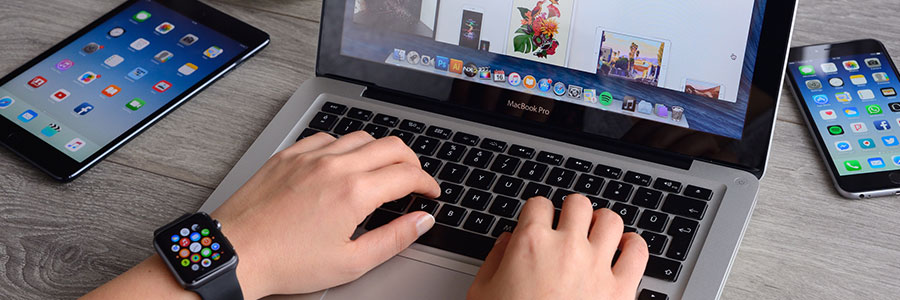
macOS High Sierra, Apple’s newest desktop operating system, aims to enhance current features, fix problems, and improve overall user experience. A long list of refinements await iMac and MacBook users, but here are the ones businesses will find most useful.
Need business management software? Try ERP

Whether you run a startup or a well-established corporation, there are always ways to improve how the business is managed. For some, introducing new corporate policies can streamline business processes, but if you want to see significant improvement, consider enterprise resource planning (ERP) software.
Office 365 vs. Google Apps on Android

For business owners who want to increase employee productivity, one of the most heated debates is over which cloud productivity software is best. If your company uses Android devices, we have some tips on deciding whether Microsoft Office or Google Apps is better for you.
Virtualization saved SMBs from hurricanes

One of the most brutal hurricane seasons on record is coming to a close and many small businesses are already planning for the next. Regardless of your organization’s location, you need to be prepared for any kind of disaster, natural or manmade. Virtualization is one of your best bets for staying operational through thick and thin.
Stay on the line with a VoIP continuity plan

Voice over IP (VoIP) phone systems offer far superior mobility, functionality, and cost-efficiency than traditional landlines. But like any computer system, it can be vulnerable to service disruptions, equipment failure, and cyberattacks. With proper preparation, however, your phone systems can weather any disaster.
Microsoft launches My Workspace for macOS
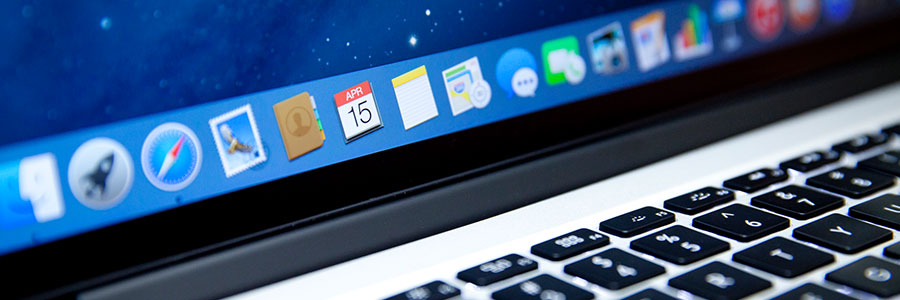
If you’re using Office 365 on a Mac computer, here’s some good news: Microsoft has introduced a new tool that will help you manage your Office 365 apps much more easily. My Workspace is a productivity-enhancing application that offers quick access to frequently used apps and files.
5 types of clutter that slow down Windows
If you've noticed that your Windows 10 operating system has been running slow, yet no virus has been found and everything seems to be running okay otherwise, your PC might have too much clutter. Clutter can impede its performance and eat away its memory.
Google Drive app is shutting down
Yes, you read it right, Google Drive app is officially shutting down. But what does this mean for users worldwide? Is your business data still safe on Google Drive? Here’s everything you need to know.
Google made an official announcement on its blog that support for Google Drive app will end come December 11th, 2017, and the app will shut down completely on March 12th, 2018. In fact, you’ll start seeing notifications from the app’s user interface come October.